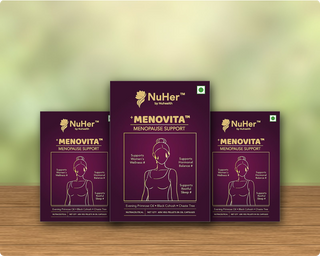

Menopause is a natural transition, but the hormonal fluctuations it brings can affect both body and mind. Many women notice increased stress, irritability, or unexplained anxiety during perimenopause and menopause. Studies show that up to 50% of women experience mood or emotional disturbances at this stage yet many do not seek help. Understanding menopause-related anxiety and taking early steps can make a significant difference in emotional well-being and quality of life.
When Does Anxiety Occur During Menopause?
Anxiety can appear at any phase of the menopausal journey:
- Perimenopause: Early hormonal fluctuations (late 30s - mid-40s) can heighten stress sensitivity.
- Menopause: As estrogen and progesterone decline, mood changes and anxiety may persist.
- Postmenopause: Some women experience ongoing anxiety, while others notice improvement once hormones stabilize.
What Causes Menopause-Related Anxiety?
Anxiety at this stage often results from hormonal, physical, and emotional factors working together.
1. Hormonal Fluctuations
Hormonal changes during menopause are associated with changes in mood regulation in the brain Cortisol (stress hormone) levels rise. These changes may contribute to feelings of anxiety, irritability, or restlessness in some women. Estrogen plays a key role in the production and uptake of serotonin (the 'feel-good' hormone) and GABA (the 'calming' neurotransmitter). As estrogen levels fluctuate, these brain chemicals become less stable, which can trigger sudden feelings of panic or unease.
2. Sleep Disruptions
Hot flashes and night sweats reduce sleep quality, which worsens mood and increases stress sensitivity.
3. Life Stressors
Menopause often coincides with transitions, children moving out, career shifts, relationship changes, or caregiving responsibilities. In India, societal expectations around appearance and family roles can add emotional strain.
Symptoms of Menopause-Related Anxiety
- Persistent restlessness or "on-edge" feeling
- Irritability and mood swings
- Muscle tension or tightness in the chest
- Difficulty concentrating ("brain fog")
- Fatigue despite adequate rest
- Excessive worrying or fear
- Self-soothing habits like nail-biting or fidgeting
How to Manage Anxiety During Menopause
There's no one-size-fits-all solution, but combining lifestyle changes, therapy, and medical care can help restore balance.
1. Healthy Lifestyle Habits
- Balanced Diet: Include leafy greens, nuts, seeds, whole grains, and omega-3 foods like flaxseed and fish.
- Regular Exercise: 30 minutes daily, yoga, brisk walking, or swimming.
- Sleep Hygiene: Stick to a routine, limit screen time, and practice deep-breathing before bed.
- Avoid Stimulants: Cut down caffeine, alcohol, and sugary foods.
2. Stress-Reduction Techniques
- Mindfulness & Meditation: Mindfulness and meditation are commonly used to support relaxation and emotional well-being.
- Yoga: Gentle asanas like Vrikshasana, Sukhasana, Shavasana help relax the body and mind.
- Breathing Exercises: Try the 4-7-8 technique, inhale 4 s, hold 7 s, exhale 8 s.
- Journaling: Track triggers to identify patterns.
3. Social & Emotional Support
Connecting with supportive friends, family, or women's wellness communities (like NuHer Circle) can support emotional comfort and a sense of connection.
4. Cognitive Behavioral Therapy (CBT)
Cognitive Behavioral Therapy (CBT) is a structured psychological approach that focuses on building practical coping strategies for anxiety.
5. Medical Treatments
If symptoms persist, your doctor may suggest:
- SSRIs or SNRIs for anxiety and hot flashes. Caution: These are Schedule H prescription drugs in India. They must only be taken under the strict supervision of a psychiatrist or a NuHer-certified specialist. Self-medicating based on online information can lead to severe side effects.
- Short-term therapy for sleep or mood balance
Always consult a healthcare professional before starting medication.
6. Hormone Replacement Therapy (HRT)
HRT can indirectly reduce anxiety by:
- Stabilizing estrogen/progesterone levels
- Improving sleep and energy
- Reducing hot flashes and night sweats
- Supporting serotonin regulation: While HRT is not a primary treatment for clinical anxiety, by stabilizing the hormonal environment, it can improve the efficacy of the body's natural mood-regulating systems.
When to Seek Help
- Anxiety continues despite lifestyle changes
- Sleep or daily activities are affected
- Symptoms point to thyroid or hormonal imbalance
Early help ensures faster recovery and prevents long-term distress.
FAQS
1. Is anxiety a normal part of menopause?
Yes. Hormonal changes can cause mood swings and anxiety, though the intensity varies among women.
2. How long does menopause-related anxiety last?
It can last from a few months to several years, often peaking during perimenopause.
3. How do I know if it's menopausal or general anxiety?
Menopause-related anxiety usually fluctuates with hormonal changes, while generalized anxiety persists regardless of cycle or age.
4. Can supplements help reduce anxiety?
Herbal options like Ashwagandha or Black Cohosh may help manage cortisol levels. However, because these can interact with other medications (like thyroid or blood pressure meds), always consult a doctor to ensure they are safe for your specific hormonal profile.
[Dr Priyanka Mehta, MBBS, MD - Gynecology & Women's Health] Certified Gynaecologist, NuHer Women's Health