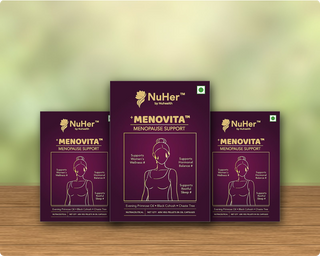

The transition into menopause brings significant hormonal shifts that can influence mood, stress response, and emotional well-being. Nearly 50% of women report increased anxiety during this time, and some may also experience panic attacks, sudden episodes of overwhelming fear that strike without warning. Studies show that about 9.8% of menopausal women experience at least one panic attack within a six-month period. In India, where mental health is often stigmatized, these episodes are frequently misidentified as physical heart issues. While panic attacks are not dangerous, they can be frightening and disruptive, affecting work, relationships, and daily functioning. Many women hesitate to discuss these symptoms, but panic attacks are treatable, and seeking medical support can greatly improve quality of life during menopause.
What Happens During a Panic Attack?
The DSM (Diagnostic and Statistical Manual of Mental Disorders) defines a panic attack as a sudden surge of intense fear or discomfort that reaches its peak within minutes. During an attack, the body goes into "fight-or-flight" mode, triggering a rapid release of adrenaline. This causes physical symptoms that can easily be mistaken for a heart attack or a serious medical emergency.
Why Do Panic Attacks Occur During Menopause?
1. Estrogen Decline
Estrogen plays a key role in regulating serotonin and dopamine, the brain's "feel-good" chemicals. When estrogen levels fluctuate and drop, the brain becomes more sensitive to stress, making anxiety and panic attacks more likely.
2. Progesterone Loss
Progesterone has a natural calming effect. Its decline during perimenopause can leave the nervous system feeling overstimulated and on edge.
3. Hot Flashes & Sleep Disturbances
Vasomotor symptoms (like hot flashes and night sweats) activate brain regions associated with anxiety and panic. Poor sleep caused by night sweats further increases vulnerability to panic attacks.
4. Additional Risk Factors
Women may be more prone to panic symptoms during menopause if they have:
- Early perimenopause
- Thyroid issues or migraines
- A family history of panic attacks
Symptoms of Panic Attacks During Menopause
Panic attacks usually peak within minutes and may include:
- Sudden, intense fear or a sense of impending doom
- Feeling out of control
- Rapid heartbeat or palpitations
- Sweating, chills, or shaking
- Chest pain or shortness of breath
- Dizziness or weakness
- Nausea or tingling sensations
- Avoidance of places where previous attacks occurred
How to Manage Panic Attacks During Menopause
1. Relaxation Techniques
Practices like meditation, yoga, and controlled breathing (such as Pranayama or "Box Breathing") help calm the nervous system and manage immediate panic symptoms.
2. Cognitive Behavioral Therapy (CBT)
CBT helps identify and correct negative thought patterns that fuel panic attacks. It is one of the most effective non-medication treatments for anxiety and panic disorders.
3. Lifestyle Modifications
- Maintain a balanced diet including fruits, vegetables, pulses, eggs, dairy, and lean meats
- Reduce caffeine and alcohol
- Exercise 30 minutes a day, 5 days a week (walking, jogging, swimming, cycling)
- Aim for 7–8 hours of restful sleep
4. Medications
If symptoms persist, doctors may prescribe:
- SSRIs or SNRIs – Help stabilize mood and reduce panic frequency
- Beta-blockers – Control physical symptoms like tremors and palpitations
- Benzodiazepines – Provide short-term relief during severe episodes
Note: Benzodiazepines carry a risk of dependency and are strictly Schedule H1 drugs in India; they should only be used for acute relief.
5. Hormone Replacement Therapy (HRT)
HRT can restore estrogen and progesterone levels, which may reduce panic attacks as well as hot flashes, night sweats, and mood swings. Note: HRT is a Schedule H drug. While it can stabilize mood, it is often most effective when paired with CBT for panic disorder.
Frequently Asked Questions (FAQ)
1. How can women support themselves and others with panic disorder?
Recognize early warning signs, communicate openly, and seek medical help if panic attacks interfere with daily life.
2. What’s the difference between panic attacks and panic disorder?
A panic attack is a single episode of intense fear. Panic disorder occurs when attacks are frequent and accompanied by ongoing worry or behavioral changes lasting over a month.
3. What’s the difference between a panic attack and an anxiety attack?
"Anxiety attack" isn’t a formal medical term. Panic attacks are sudden and intense, while anxiety symptoms build gradually and are tied to ongoing stress.