

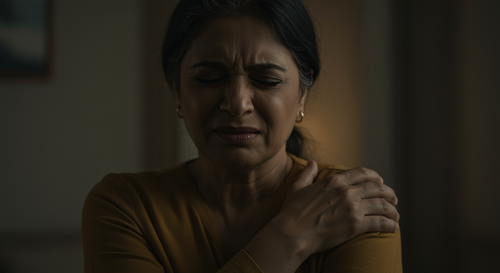
Menopause is confirmed when you have gone 12 months in a row without a period. In India, the average age of natural menopause is around 46, a little earlier than in many Western countries. Symptoms such as hot flushes, poor sleep and vaginal dryness can carry on well past your last period, and this is also the time when bone and heart health start to matter more.
NuHer is a doctor-led menopause clinic in Nariman Point, Mumbai. We see women in person and by video across India, and build a plan around your symptoms, your health history and what you want from treatment.
Signs you may be in menopause
- No period for 12 months – the clearest sign, if you are not using hormonal contraception and there is no other cause.
- Hot flushes that continue – sudden heat, redness and sweating that may go on for years. Read about hot flashes.
- Night sweats – waking hot and damp, often more than once a night. See night sweats.
- Vaginal dryness and discomfort – dryness, itching, burning or pain during sex. This is part of the genitourinary syndrome of menopause (GSM). More on vaginal dryness.
- Urinary changes – needing to pass urine more often or urgently, leaking, or repeated urine infections. These are also part of GSM.
- Sleep problems – broken sleep, early waking or feeling unrested. Read about sleep problems.
- Mood changes – low mood, anxiety, irritability or tearfulness. See depression, mood swings and anxiety.
- Weight gain and metabolic changes – weight moving to the tummy, and changes in cholesterol or blood sugar. More on menopausal weight gain.
- Joint aches – stiffness and pain in the hands, knees or shoulders. Read about joint pain.
- Skin and hair changes – drier skin and thinning hair. See hair loss in menopause.
Find more in our A–Z guide to menopause symptoms. If your periods are still coming but changing, see perimenopause care instead.
How NuHer helps at this stage
Consultation and assessment
Your first visit is with one of our gynaecologists or menopause specialists, including Dr Priyanka Mehta, MRCOG and Member of the British Menopause Society. Your doctor goes through your symptoms, periods, medical and family history, and current medicines. Together you agree what matters most to you, whether that is sleep, hot flushes, intimate comfort, mood or long-term health.
Hormone therapy when appropriate
Hormone therapy is the most effective treatment for hot flushes and night sweats, and it also helps protect against bone loss. For most healthy women under 60, or within 10 years of their last period, the benefits generally outweigh the risks. Your doctor will explain what this means for you, and discuss options such as HRT or body-identical hormones. Treatment is reviewed regularly. Learn more about estrogen, progesterone and testosterone in menopause.
Help for vaginal and urinary symptoms
Vaginal dryness, painful sex and urinary symptoms are common and treatable. Unlike hot flushes, they usually do not settle on their own. Your doctor may discuss vaginal moisturisers and lubricants, or low-dose vaginal estrogen, which acts locally with very little absorbed into the body. NuHer's MENOSTRONG is made to support intimate and urinary comfort, gut and bone health.
Supplements and non-hormonal options
If you prefer not to take hormones, or cannot, there are other options. Our doctors advise on supplements and herbal compounds with supporting evidence, including NuHer's MENOVITA for hot flushes, night sweats, sleep and mood, and check them against your other medicines. Your doctor can also discuss cognitive behavioural therapy (CBT) and other non-hormonal approaches.
Nutrition, movement, mind and long-term health
Our clinical dietitian creates a plan with practical Indian meals, enough protein and calcium, and movement that suits your routine. Our psychological counsellor, psychologist and neuropsychiatrist support mood, anxiety and sleep. Your doctor will also review your bone and heart health with you, including your blood pressure, cholesterol, blood sugar and risk of fractures, and talk about whether any checks or scans are right for you.
When to see a doctor
- Any bleeding after menopause – bleeding, spotting or pink or brown discharge after 12 months without a period must always be checked. It is usually not serious, but it needs to be looked at.
- Unexpected bleeding on HRT beyond the first few months of treatment
- A new breast lump, nipple change or skin dimpling
- Chest pain, sudden breathlessness, or a painful swollen leg
- Symptoms that stop you working, sleeping or enjoying life
- Low mood that does not lift, or any thoughts of harming yourself
- A fall or fracture from a minor bump
Questions women ask
How long do menopause symptoms last?
It varies a lot. For many women hot flushes ease within a few years, but some have them for much longer. Vaginal and urinary symptoms often continue or get worse over time without treatment. Your doctor can help whatever stage you are at.
Is HRT safe?
For most healthy women under 60, or within 10 years of menopause, the benefits of HRT for troublesome symptoms are greater than the risks. The type, dose and route all make a difference, and your own history matters. Your doctor will explain this honestly so you can decide.
I can't take hormones. What can I do?
There are still good options. These include non-hormonal medicines your doctor may prescribe, CBT, supplements with supporting evidence, diet and exercise changes, and help with sleep and mood. Many women do well with a combination.
Do I need tests to confirm menopause?
If you are over 45 and have had no period for 12 months, menopause can usually be confirmed without tests. Your doctor may still suggest checks related to your bones, heart or other symptoms.
Can I consult NuHer online?
Yes. We see women by video across India, Monday to Saturday, 10 am to 7 pm. You can also visit us at Tulsiani Chambers, Nariman Point, Mumbai.
When you are ready, take the free menopause test or meet our doctors. You can also read about perimenopause care and post-menopause care.
References
- National Institute for Health and Care Excellence (NICE). Menopause: identification and management (NG23). Published 2015, last updated 2026. https://www.nice.org.uk/guidance/ng23
- Meeta M, Digumarti L, Agarwal N, Vaze N, Shah R, Malik S. Clinical practice guidelines on menopause: an executive summary and recommendations. Indian Menopause Society 2019–2020. J Midlife Health. 2020;11(2):55–95. https://pmc.ncbi.nlm.nih.gov/articles/PMC7688016/
- The 2022 hormone therapy position statement of The North American Menopause Society. Menopause. 2022;29(7). https://pubmed.ncbi.nlm.nih.gov/35797481/
- The 2020 genitourinary syndrome of menopause position statement of The North American Menopause Society. Menopause. 2020;27(9):976–992. https://pubmed.ncbi.nlm.nih.gov/32852449/
- Ahuja M. Age of menopause and determinants of menopause age: a PAN India survey by IMS. J Midlife Health. 2016;7(3):126–131. https://pmc.ncbi.nlm.nih.gov/articles/PMC5051232/
- World Health Organization. Menopause – fact sheet. 16 October 2024. https://www.who.int/news-room/fact-sheets/detail/menopause